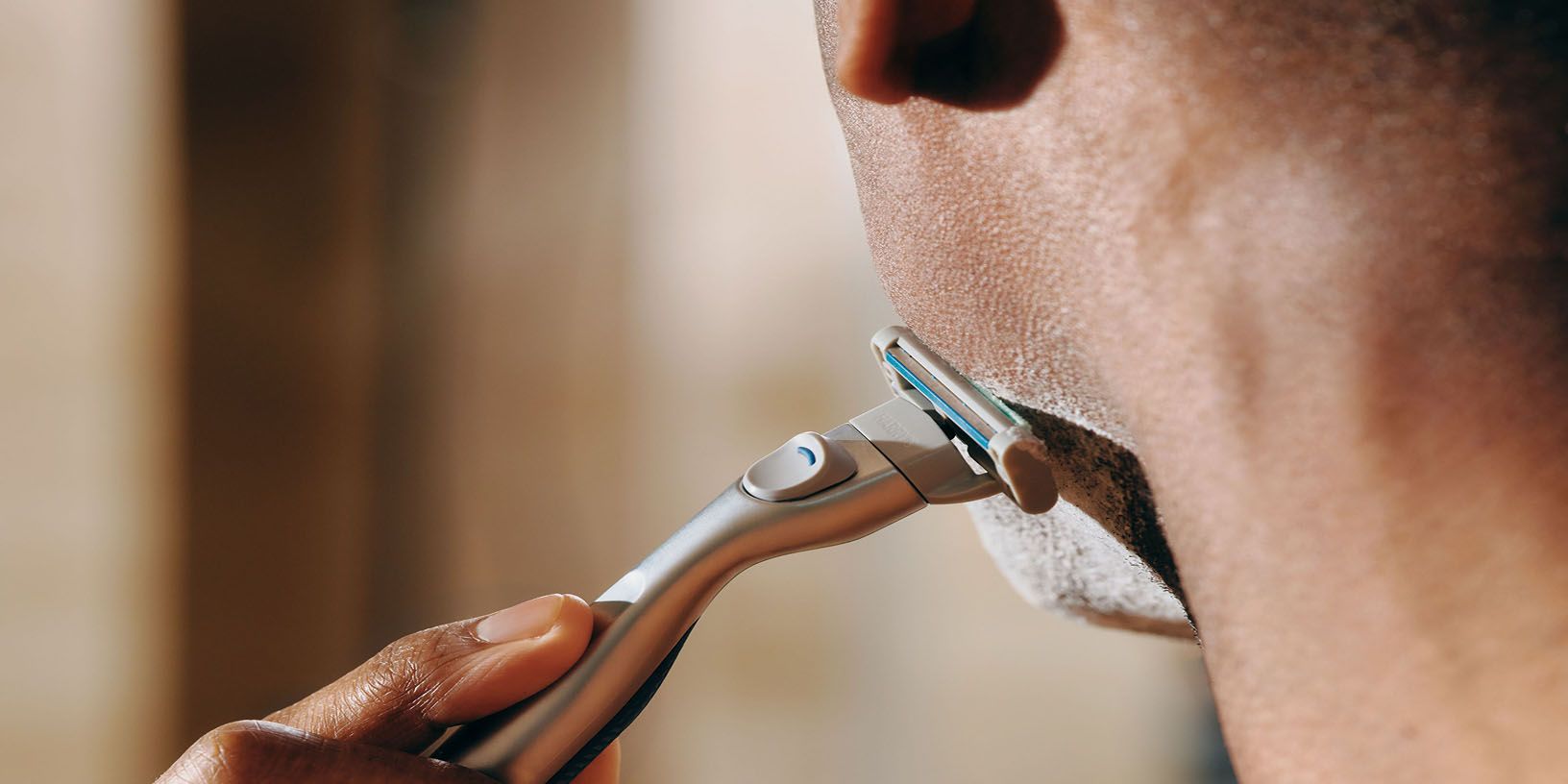
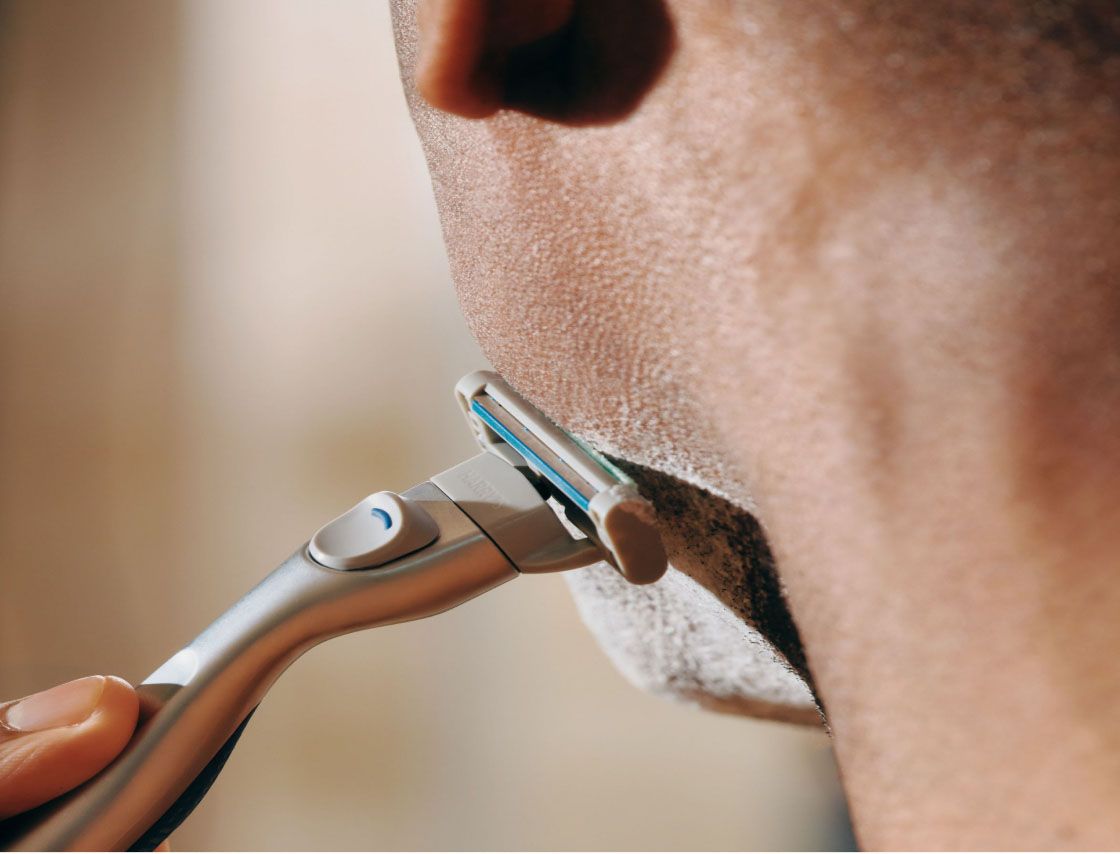
Razor bumps ruining your shave? This complete guide covers the exact technique, products, and routine to get a close, irritation-free shave every time — from prep to aftercare.
Razor Bumps and Shaving (The Complete Guide)
What are razor bumps and why do you keep getting them?
Razor bumps (pseudofolliculitis barbae) can occur when shaved hairs curl back and grow into the skin rather than out. The result: red, inflamed bumps that look like acne and feel like a rash. They're most common on the neck and jaw, especially for men with curly or coarse hair.
Razor burn is different in that it's immediate redness caused by friction. Razor bumps form hours or days after shaving and can leave dark spots if left untreated. Understanding which you're dealing with changes how you fix it.‡
The most common causes of razor bumps:
• Shaving against the grain, especially on the neck.
• Dull blades that tug instead of cut.
• Dry shaving without adequate product.
• Pressing too hard and taking multiple passes over the same area.
• Skipping post-shave care which can leave skin irritated and vulnerable.
The 5-step technique to shave without razor bumps:
Getting a clean shave is about process as much as product. Follow these steps consistently.
Step 1: Shower or prep with warm water first.
Warm water opens pores and softens hair follicles, making them easier to cut cleanly. A 2-minute warm towel on your face does the same job if you're not showering first. Never shave on dry, cold skin.
Step 2: Apply shave gel properly. Don't skip this.
Shave gel creates a protective barrier that lets the blade glide without friction. Apply it in circular motions to lift the hair away from skin. More product isn't better. A thin, even layer is what you want.
Step 3: Shave with the grain, not against it.
'With the grain' means in the direction your hair grows. On your face, that's usually downward. On your neck, it's more complex. Take 30 seconds to map your grain direction before you start. Shaving against the grain gets a closer cut but dramatically increases bump risk, especially for men with curly hair.
Step 4: Use a sharp blade and rinse it constantly.
A dull blade drags across skin instead of cutting cleanly. Most men use blades for far too long. Most guys find a Harry's Original blade stays sharp for up to 16 shaves with proper rinsing and that their Harry’s Plus blades stay sharp for up to 21 shaves*. Rinse the blade after every 2–3 strokes to help prevent clogging.
Step 5: Cold water rinse and post-shave care.
Cold water helps calm skin and reduce immediate redness after shaving. Avoid alcohol-based aftershaves, which can dehydrate skin and worsen irritation. Harry's Post-Shave Mist and Post-Shave Balm are both alcohol-free options designed to soothe and calm skin after shaving.
Best razors for men prone to razor bumps:
The blade matters as much as the technique. Here's what to look for:
• A pivoting head follows your face's contours without you having to adjust pressure.
• A weighted handle gives control and reduces the urge to press too hard.
Harry's razors are engineered with German steel blades and a flex hinge designed specifically to help reduce drag on sensitive skin, which can contribute to razor bumps and irritation.¶
What to do if you already have razor bumps?*
If you've already got razor bumps, shaving over them could make it worse. Take 2–3 days off, apply a warm compress to reduce inflammation, and use a gentle exfoliant such as our Exfoliating Facial Cleanser to free any ingrown hairs. A product with tea tree oil or witch hazel may help reduce redness without drying skin out.
FAQ: Razor bumps and shaving
FAQ: Razor bumps and shaving
* We love talking about shaving and sharing tips for better skin, but this content isn’t meant to replace the advice of a medical professional. If skin irritation or razor bumps are a constant struggle for you, we recommend chatting with a dermatologist or your doctor to find the best clinical path forward for your skin type.
† Based on shaving 3 times per week.
‡ Razor Burn.” Cleveland Clinic, Cleveland Clinic,
https://my.clevelandclinic.org/health/diseases/23583-razor-burn. Accessed 26 May 2026.
¶ Gray, J., and A. J. McMichael. “Pseudofolliculitis Barbae: Understanding the Condition and the Role of Facial Grooming.” International Journal of Cosmetic Science, vol. 38, suppl. 1, 2016, pp. 24–27. Wiley Online Library, https://doi.org/10.1111/ics.12331
What are razor bumps and why do you keep getting them?
Razor bumps (pseudofolliculitis barbae) can occur when shaved hairs curl back and grow into the skin rather than out. The result: red, inflamed bumps that look like acne and feel like a rash. They're most common on the neck and jaw, especially for men with curly or coarse hair.
Razor burn is different in that it's immediate redness caused by friction. Razor bumps form hours or days after shaving and can leave dark spots if left untreated. Understanding which you're dealing with changes how you fix it.‡
The most common causes of razor bumps:
• Shaving against the grain, especially on the neck.
• Dull blades that tug instead of cut.
• Dry shaving without adequate product.
• Pressing too hard and taking multiple passes over the same area.
• Skipping post-shave care which can leave skin irritated and vulnerable.
The 5-step technique to shave without razor bumps
Getting a clean shave is about process as much as product. Follow these steps consistently.
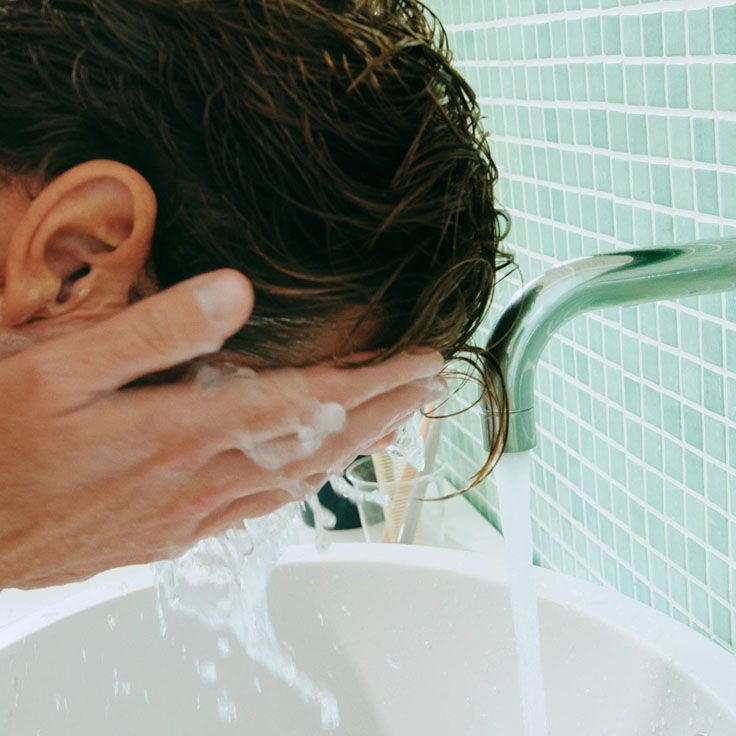
Step 1: Shower or prep with warm water first.
Step 1: Shower or prep with warm water first.
Warm water opens pores and softens hair follicles, making them easier to cut cleanly. A 2-minute warm towel on your face does the same job if you're not showering first. Never shave on dry, cold skin.
Warm water opens pores and softens hair follicles, making them easier to cut cleanly. A 2-minute warm towel on your face does the same job if you're not showering first. Never shave on dry, cold skin.
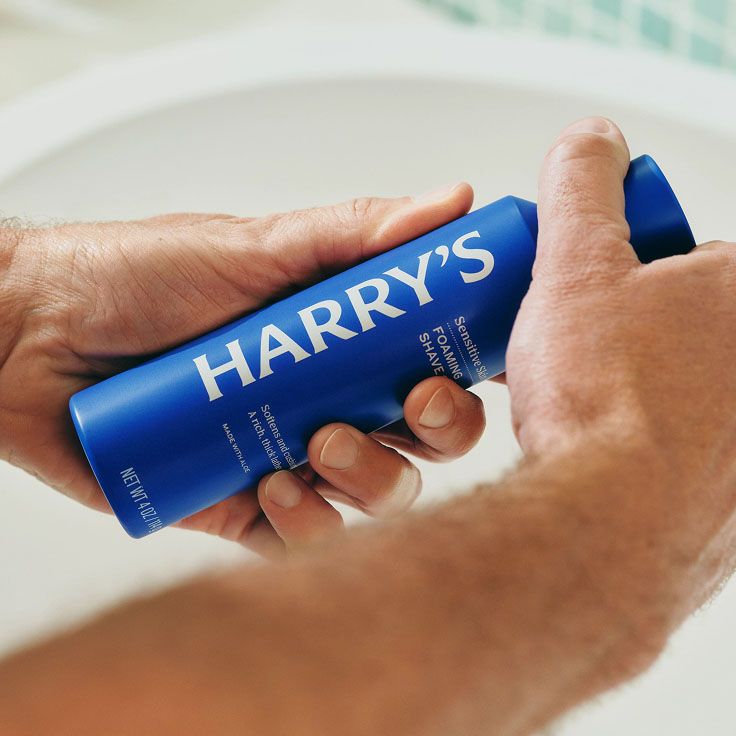
Step 2: Apply shave gel properly. Don't skip this.
Step 2: Apply shave gel properly. Don't skip this.
Shave gel creates a protective barrier that lets the blade glide without friction. Apply it in circular motions to lift the hair away from skin. More product isn't better. A thin, even layer is what you want.
Shave gel creates a protective barrier that lets the blade glide without friction. Apply it in circular motions to lift the hair away from skin. More product isn't better. A thin, even layer is what you want.
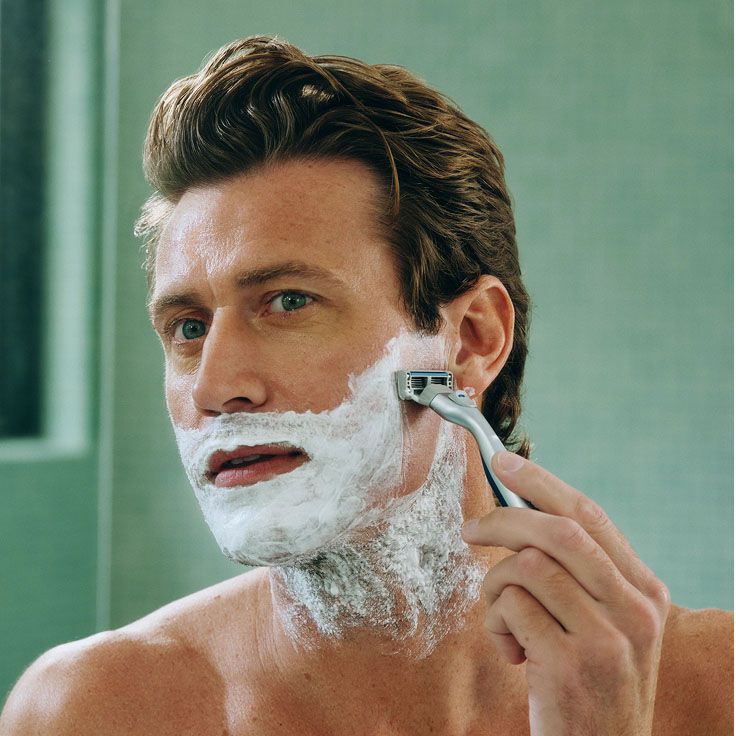
Step 3: Shave with the grain, not against it.
Step 3: Shave with the grain, not against it.
'With the grain' means in the direction your hair grows. On your face, that's usually downward. On your neck, it's more complex. Take 30 seconds to map your grain direction before you start. Shaving against the grain gets a closer cut but dramatically increases bump risk, especially for men with curly hair.
'With the grain' means in the direction your hair grows. On your face, that's usually downward. On your neck, it's more complex. Take 30 seconds to map your grain direction before you start. Shaving against the grain gets a closer cut but dramatically increases bump risk, especially for men with curly hair.
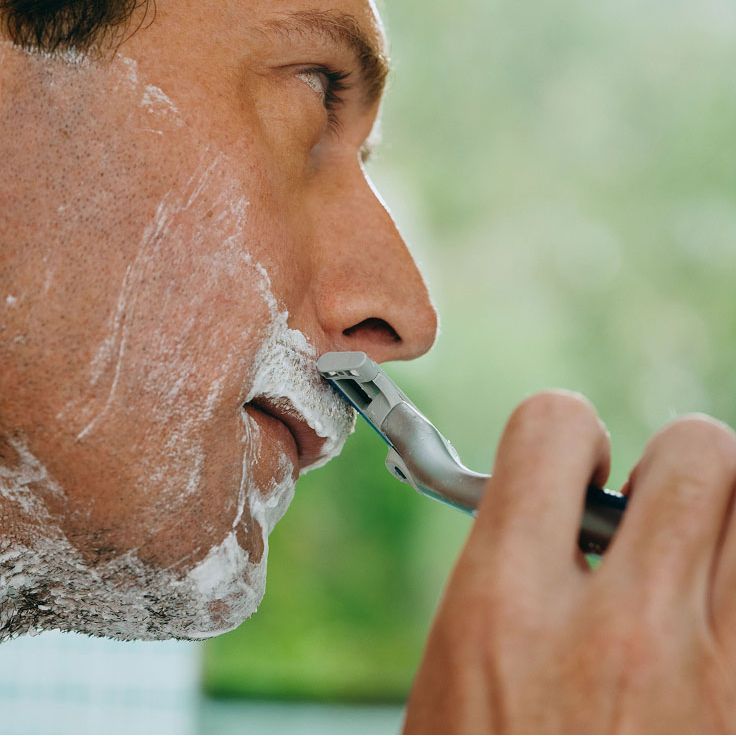
Step 4: Use a sharp blade and rinse it constantly.
Step 4: Use a sharp blade and rinse it constantly.
A dull blade drags across skin instead of cutting cleanly. Most men use blades for far too long. Most guys find a Harry's Original blade stays sharp for up to 16 shaves with proper rinsing and that their Harry’s Plus blades stay sharp for up to 21 shaves*. Rinse the blade after every 2–3 strokes to help prevent clogging.
A dull blade drags across skin instead of cutting cleanly. Most men use blades for far too long. Most guys find a Harry's Original blade stays sharp for up to 16 shaves with proper rinsing and that their Harry’s Plus blades stay sharp for up to 21 shaves*. Rinse the blade after every 2–3 strokes to help prevent clogging.
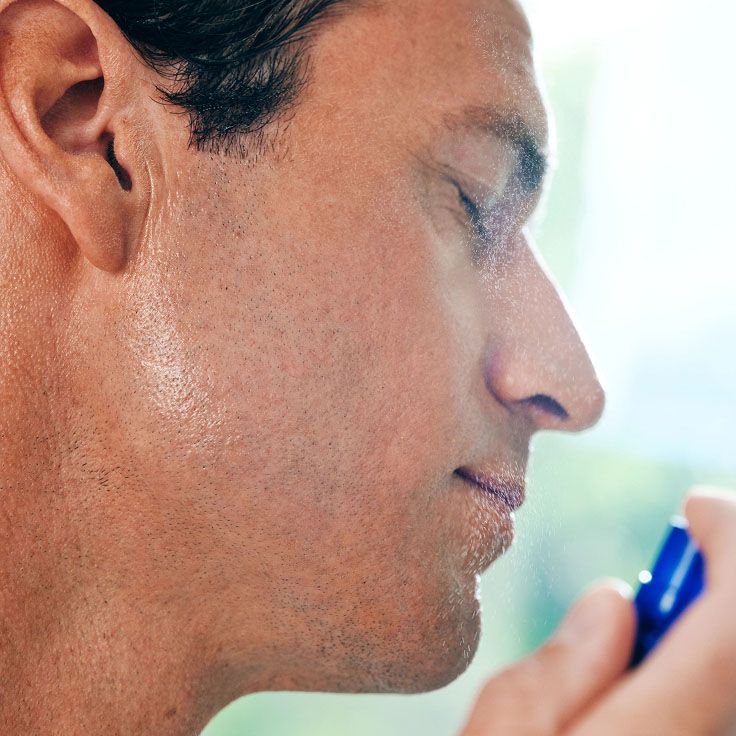
Step 5: Cold water rinse and post-shave care.
Step 5: Cold water rinse and post-shave care.
Cold water helps calm skin and reduce immediate redness after shaving. Avoid alcohol-based aftershaves, which can dehydrate skin and worsen irritation. Harry's Post-Shave Mist and Post-Shave Balm are both alcohol-free options designed to soothe and calm skin after shaving.
Cold water helps calm skin and reduce immediate redness after shaving. Avoid alcohol-based aftershaves, which can dehydrate skin and worsen irritation. Harry's Post-Shave Mist and Post-Shave Balm are both alcohol-free options designed to soothe and calm skin after shaving.
Best razors for men prone to razor bumps
The blade matters as much as the technique. Here's what to look for:
• A pivoting head follows your face's contours without you having to adjust pressure.
• A weighted handle gives control and reduces the urge to press too hard.
Harry's razors are engineered with German steel blades and a flex hinge designed specifically to help reduce drag on sensitive skin, which can contribute to razor bumps and irritation.¶
What to do if you already have razor bumps?*
If you've already got razor bumps, shaving over them could make it worse. Take 2–3 days off, apply a warm compress to reduce inflammation, and use a gentle exfoliant such as our Exfoliating Facial Cleanser to free any ingrown hairs. A product with tea tree oil or witch hazel may help reduce redness without drying skin out.
FAQ: Razor bumps and shaving
FAQ: Razor bumps and shaving
* We love talking about shaving and sharing tips for better skin, but this content isn’t meant to replace the advice of a medical professional. If skin irritation or razor bumps are a constant struggle for you, we recommend chatting with a dermatologist or your doctor to find the best clinical path forward for your skin type.
† Based on shaving 3 times per week.
‡ Razor Burn.” Cleveland Clinic, Cleveland Clinic, https://my.clevelandclinic.org/health/diseases/23583-razor-burn. Accessed 26 May 2026.
¶ Gray, J., and A. J. McMichael. “Pseudofolliculitis Barbae: Understanding the Condition and the Role of Facial Grooming.” International Journal of Cosmetic Science, vol. 38, suppl. 1, 2016, pp. 24–27. Wiley Online Library, https://doi.org/10.1111/ics.12331